
Interaction Storytelling Product:
Product Design
Overview
The company is currently developing a new gaming title to expand into adjacent player markets, focusing on potential markets such as collection and fashion games to introduce a groundbreaking genre. Leadership emphasizes prudent budget management and leveraging existing storytelling marketing channels that cater to players with similar preferences to the core product, aligning with the strategic goal of controlled expansion.
My Roles:
Product Design
UX Design
Concept UI
User Research and Testing
Deliverables:
End-to-end User flows
Wireframe & High-fidelity UI
User testing report
Prototype
Platform:
Android & IOS
The Challenge
The game targets female audiences interested in interactive storytelling, item collection, and fashion elements.
Can this Items Collection and Fashion game concept generate consistent and sustainable profits?
What strategies can be implemented to transform this concept into a viable and successful product?
Top level Questions
To convert these game design concerns into research questions, the following are the top-level questions that need exploration:
Will players be willing to pursue additional outfits and fashion levels in an interactive storytelling game?
Are they open to navigating the learning curve required for success in this game?
What motivates players who have previously engaged with games in competitor markets?
Approach
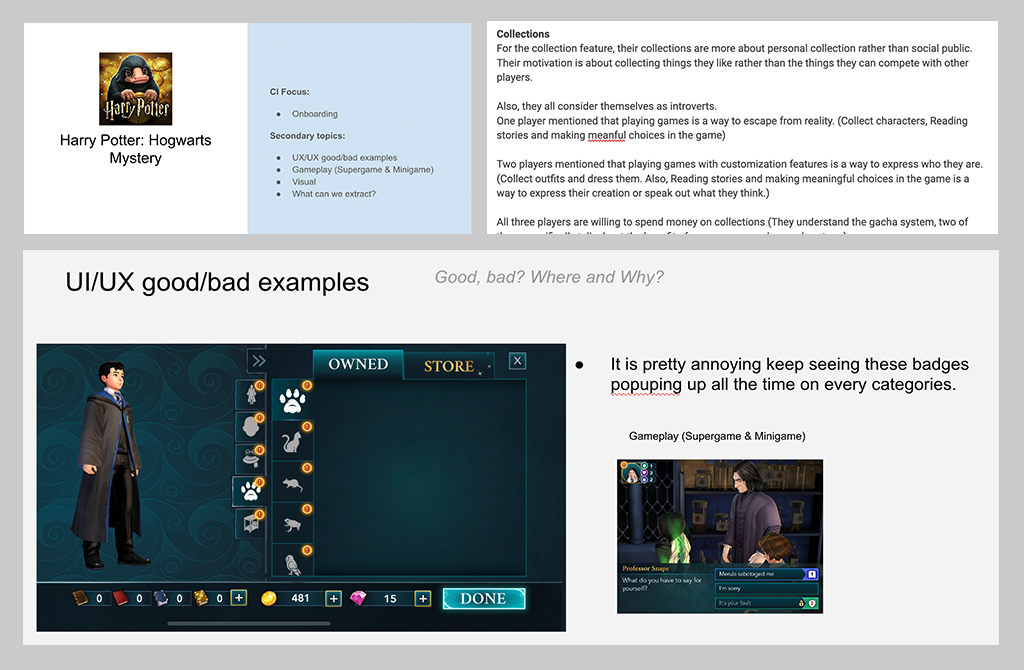
To gain insights into comparable games in the market, I played competitor games and documented the Day 0 to Day 3 gameplay experiences. Explored their onboarding tutorials, monetization strategies, UX/UI patterns, and the player engagement mechanisms within the first three days.
Competitor Research
To comprehend our player base, the team conducted research on individuals who consistently play and invest in the existing storytelling game.
I collaborated with the game producer to record phone interviews, aiming to analyze players' gaming habits, including their in-app purchase tendencies.
Phone Interview
Insights Analysis
After analyzing the responses and synthesizing the patterns, we discovered that:
Players expect to witness the impact of their choices on the game world. They desire diverse ways to interact with the story
Explore
Players value games with customization features as a means to express their identity. They prioritize self-expression over competitive gameplay.
Express
Players are enthusiastic about investing both time and money in collecting items within the storytelling game. Their motivation resides in assembling things they appreciate to fuel their creativity.
Collect
They eagerly anticipate an infinite narrative that allows them to engage with fictional characters and craft their own distinctive personal journey.
Choices
Opportunities
We translated the expectations of our key players into opportunities to address during the game feature design.
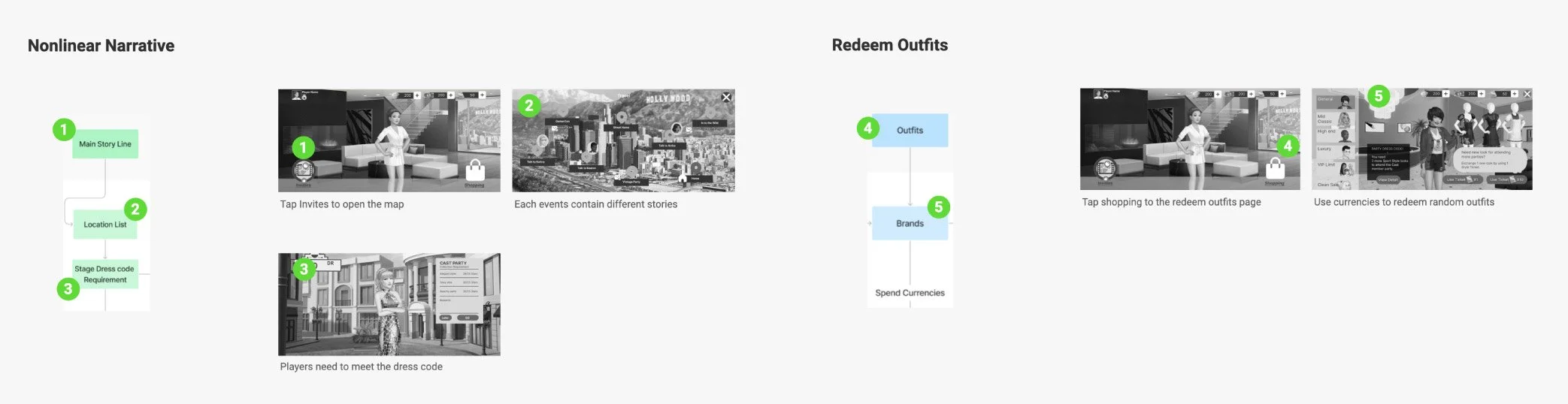
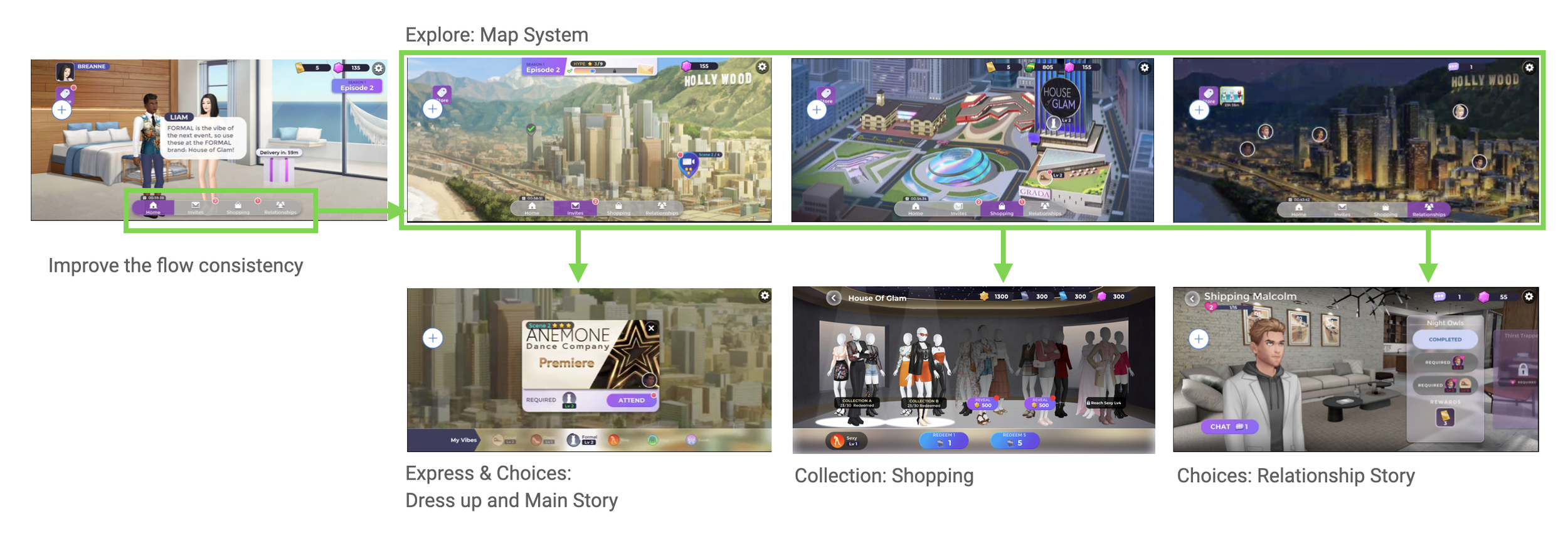
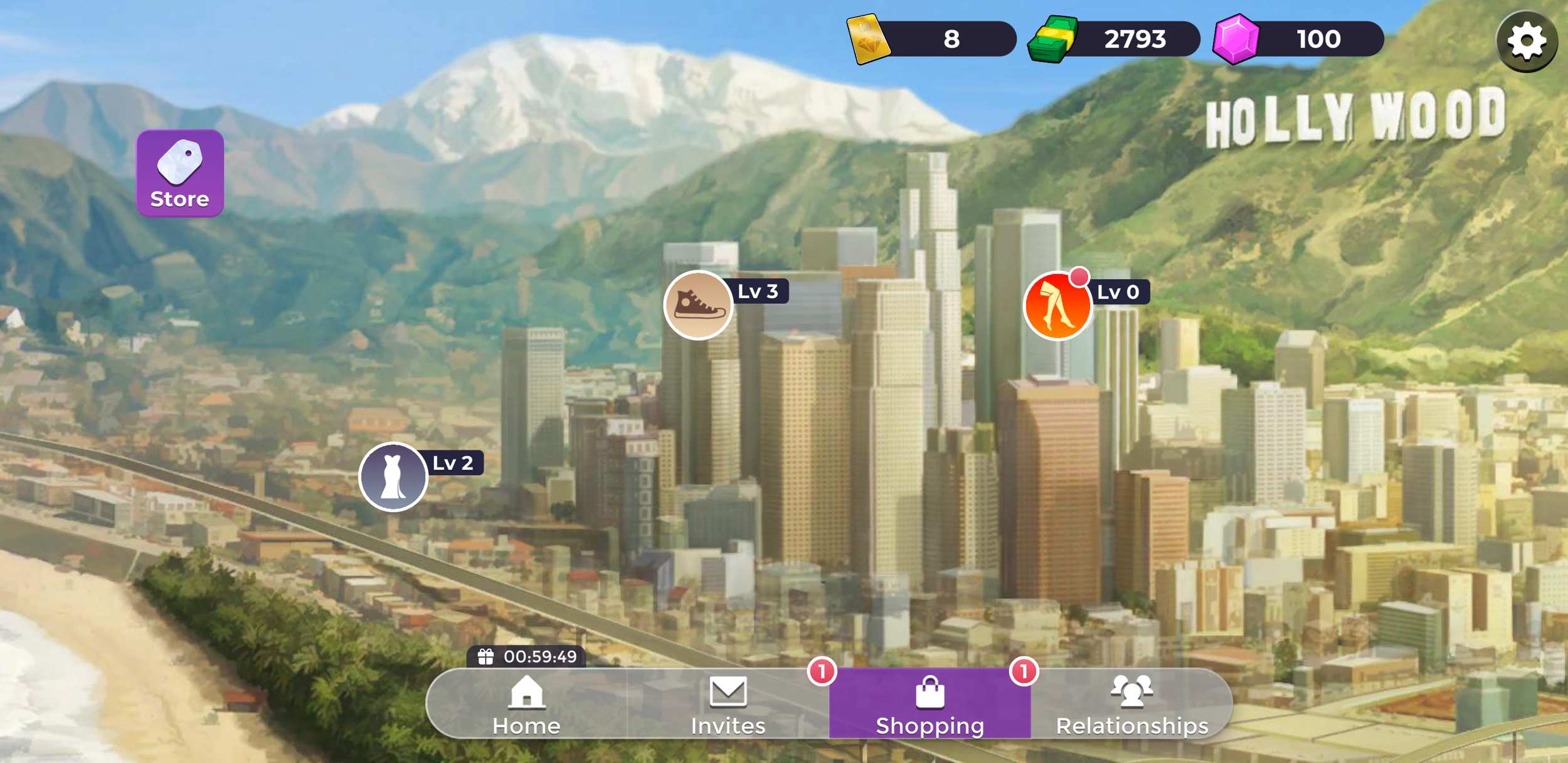
Instead of employing a linear stage-to-stage flow to guide players through the game story, we implemented a map system, allowing players the freedom to travel to different locations and encounter fictional characters. This provides a more immersive experience, allowing players to attend events and create their unique story journey within the game.
Explore → Map system
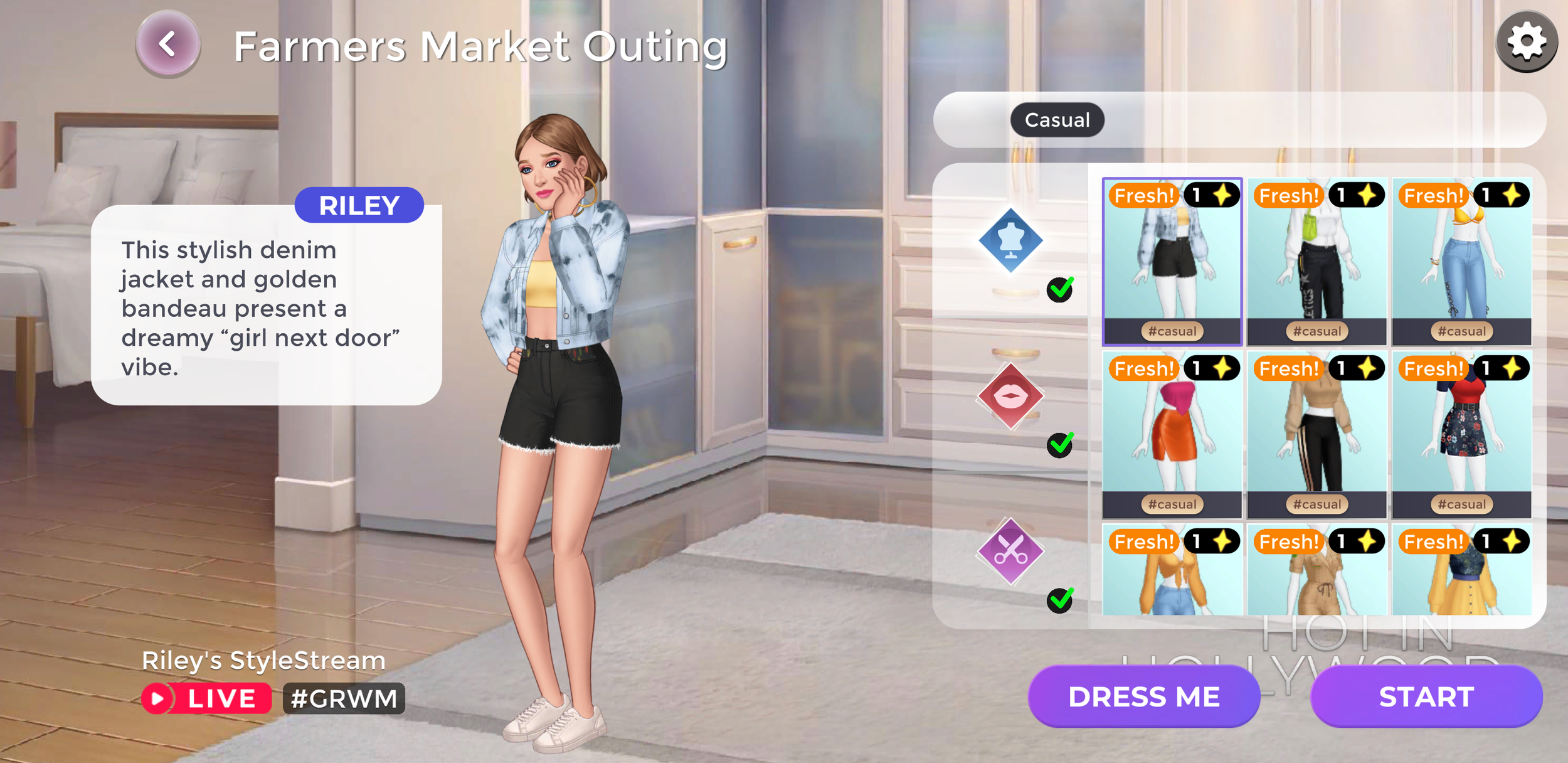
Given players' affinity for self-expression, the addition of an avatar creation/dress-up feature provides them with a means to express themselves within the game. Additionally, setting up various event scenarios with specific dress codes motivates players to continually collect new outfits.
Express → Dress up
Fictionally, brands represent fashion and beauty companies that players can easily understand. Mechanically, these brands serve as places where players can spend their in-game currency to collect outfits. Our aim is to offer a fashion shopping experience in the game, encouraging players to build up their own outfit collections. Players can acquire different items from various brands, and their relationships with these brands reflect their ability to access the best styles and objects.
Collect → Fashion Outfits
In a departure from the classic interaction storytelling game, which typically contains multiple dialogue choices within a linear storyline, we have expanded this concept to a broader space. Players can freely attend different events, interact with diverse fictional characters, and each choice may lead to distinct relationship stories.
Choices → Relationship Stories
Design Solutions
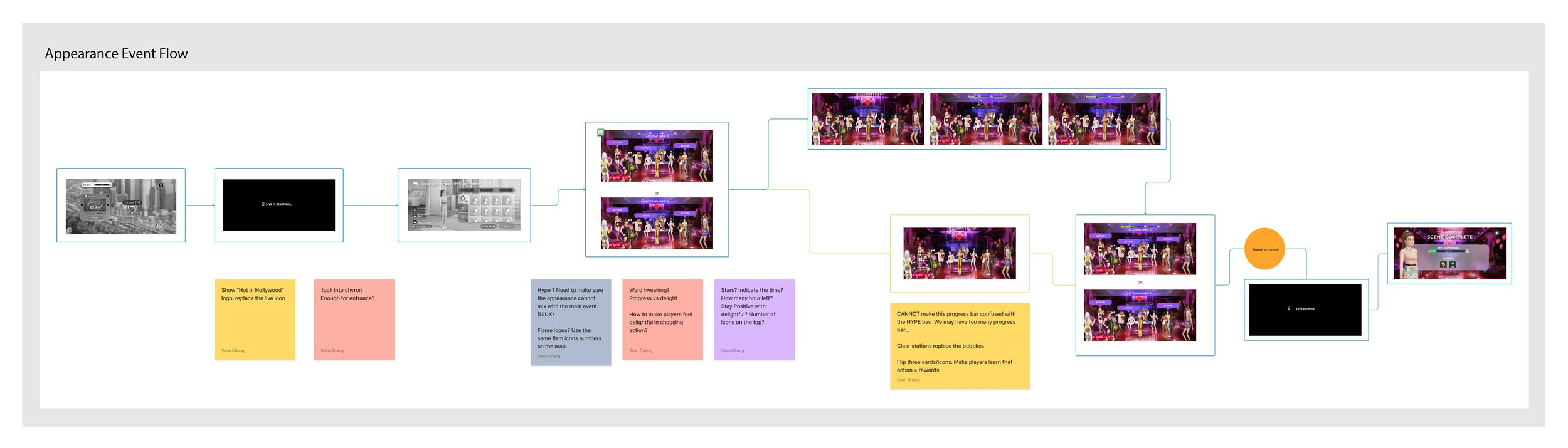
High Level Structure
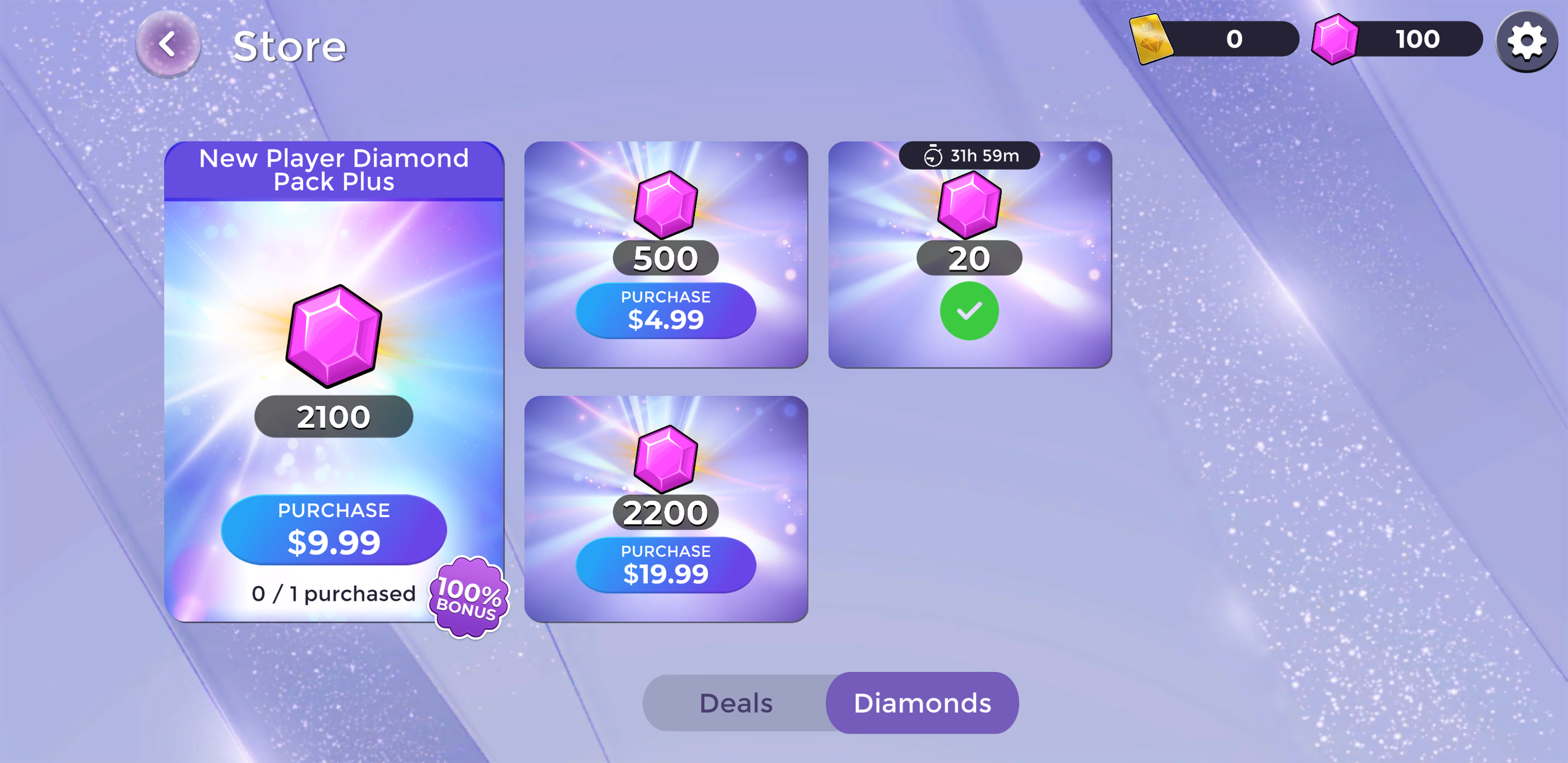
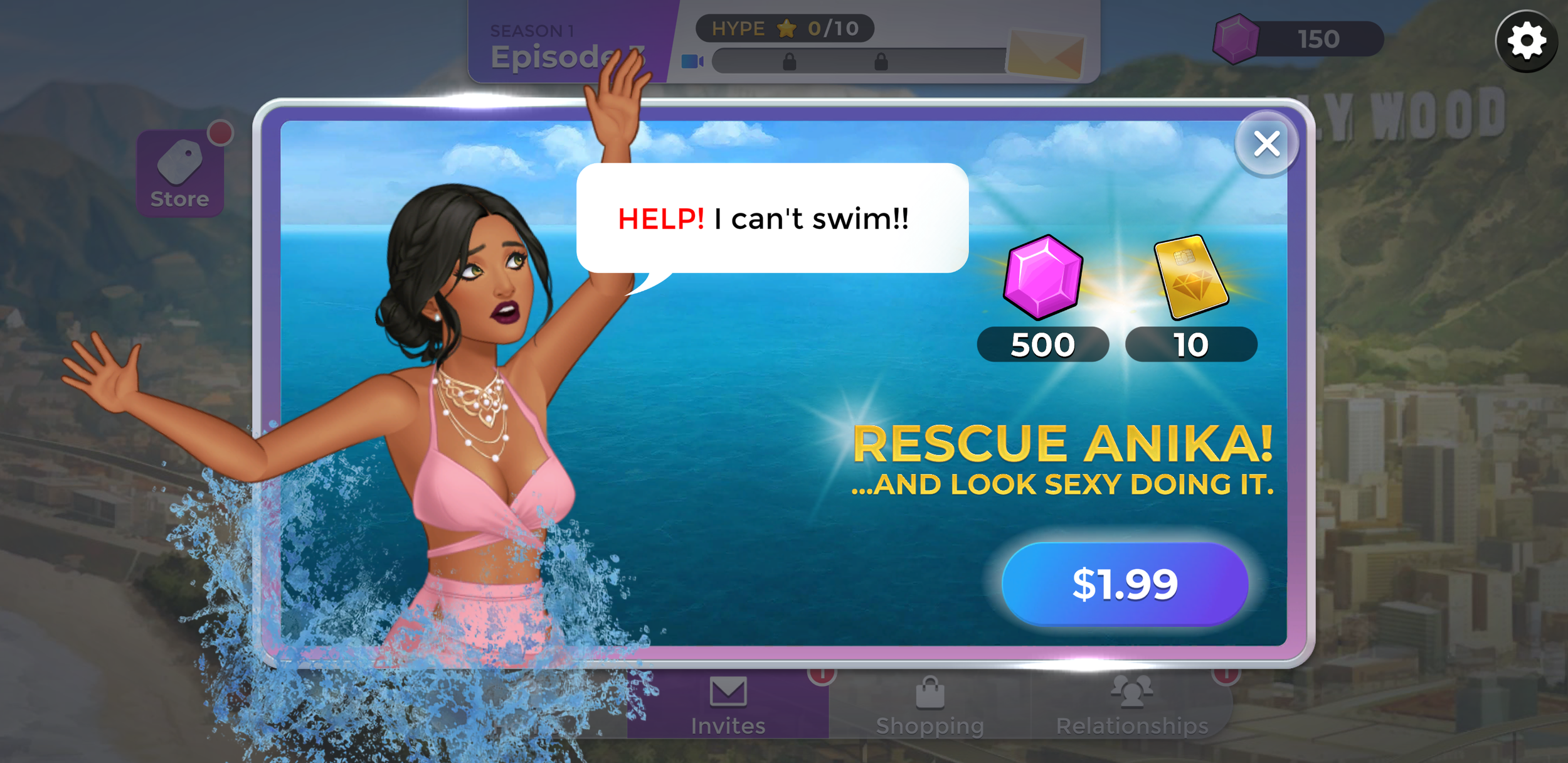
Understand the core loop and identify the in-app purchase moment.
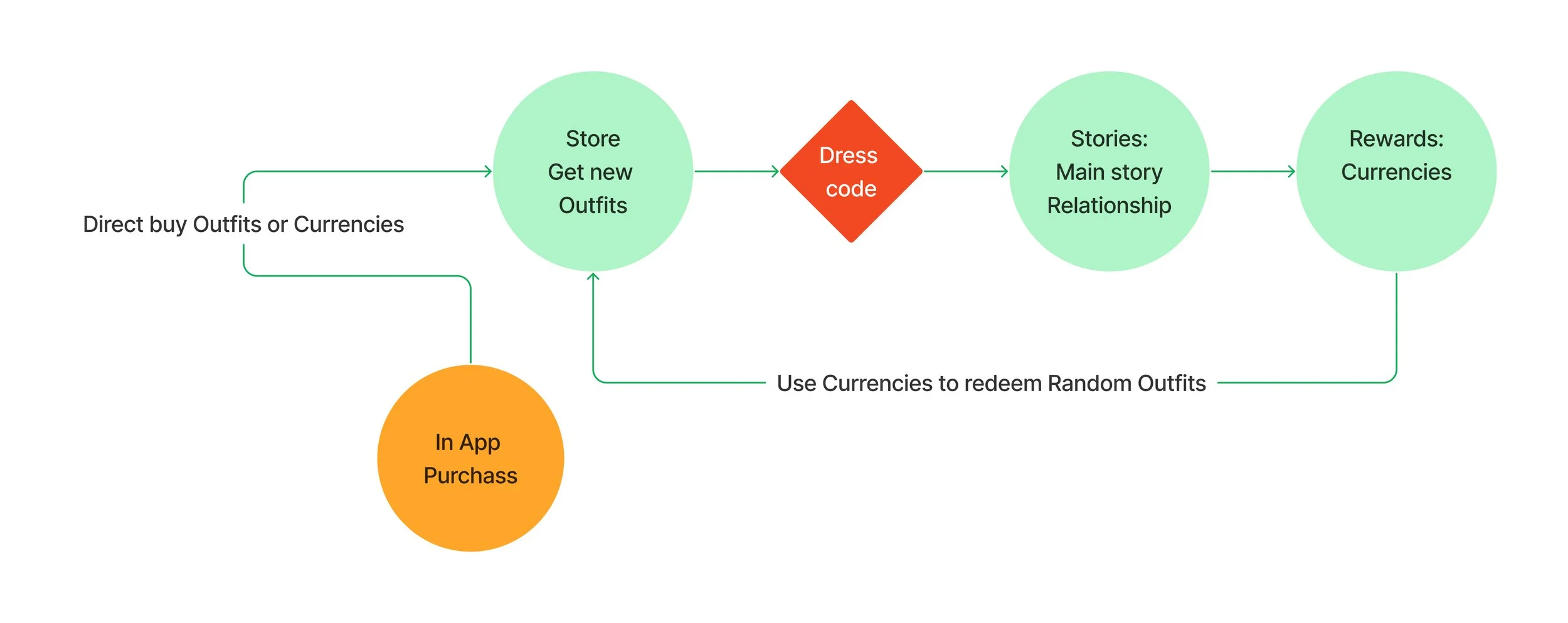
Flow Map
Map out all tasks and functions.
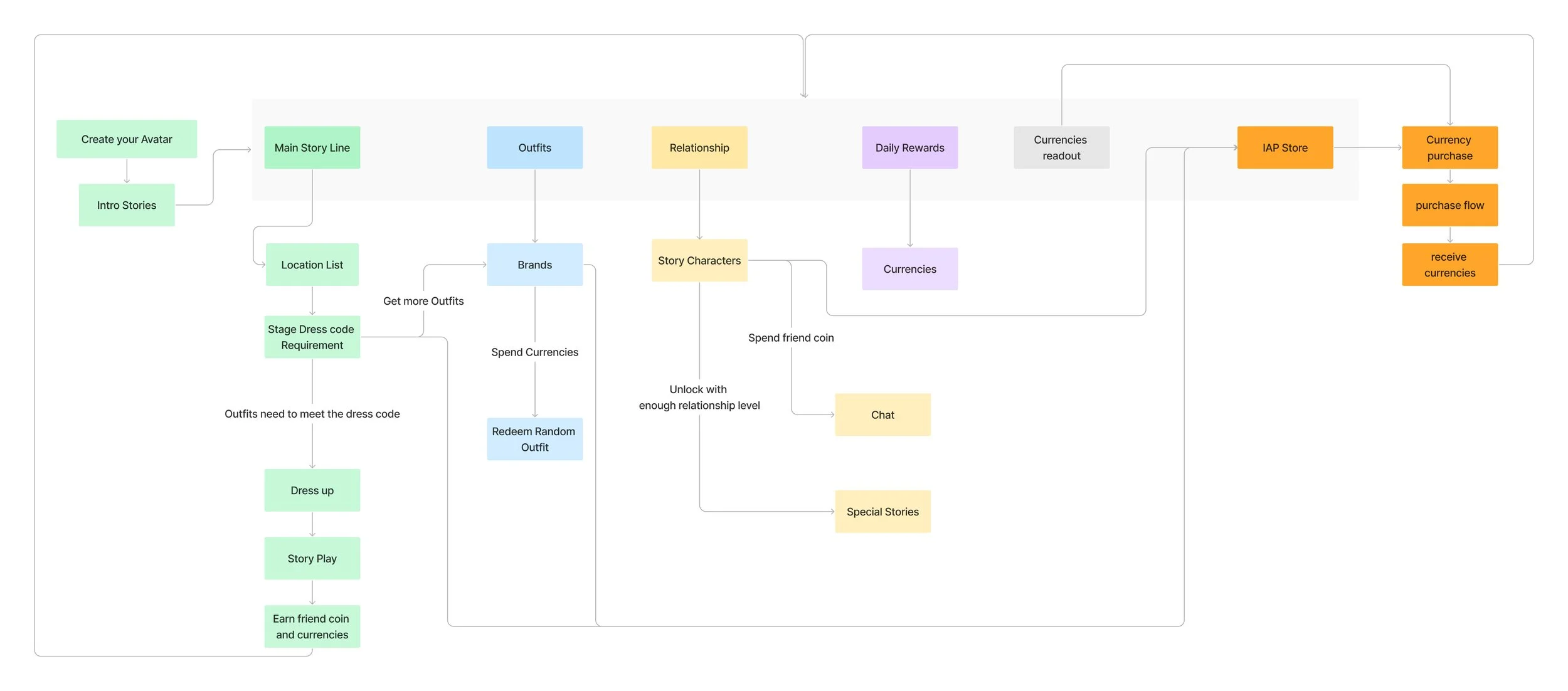
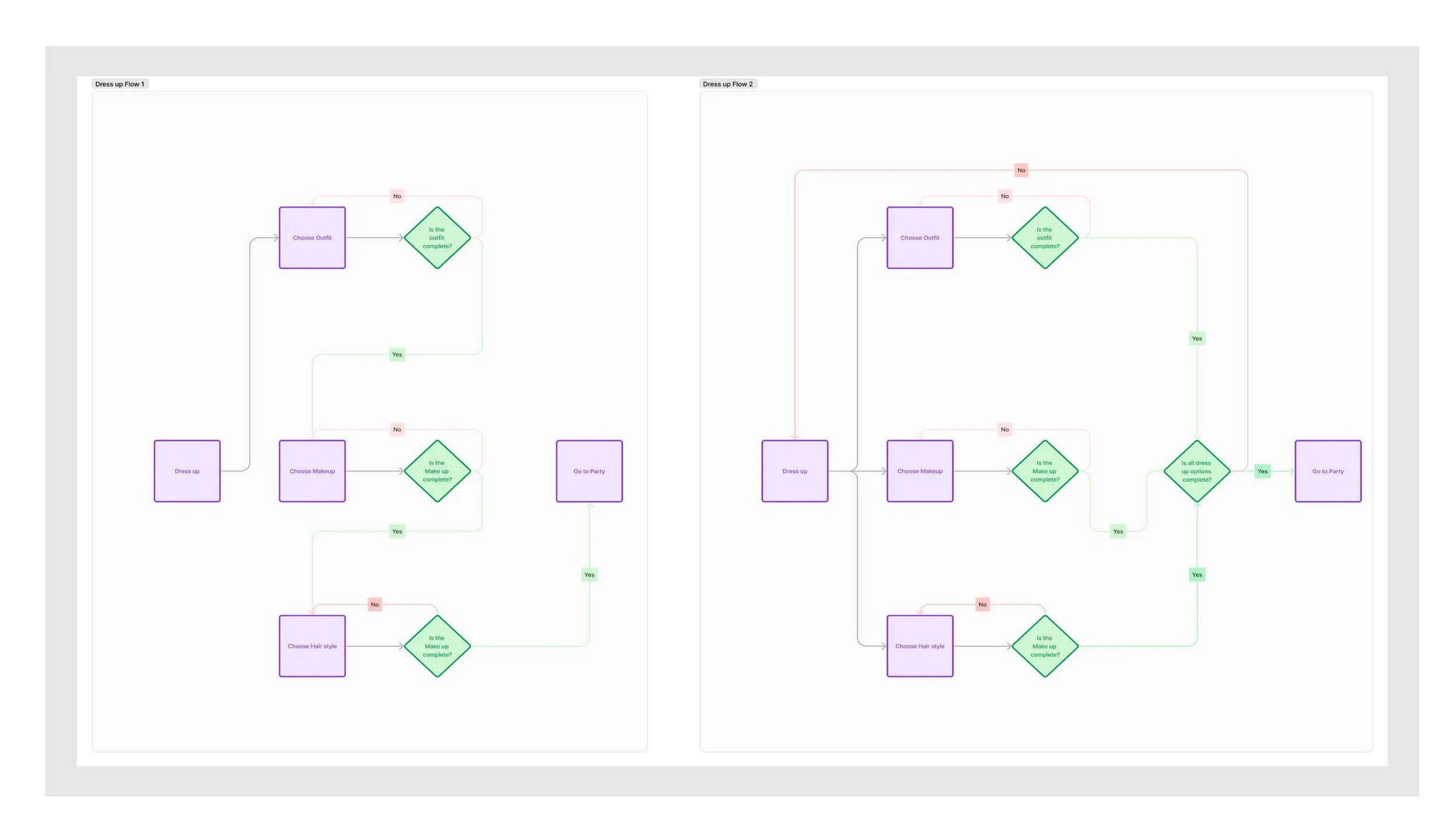
Flow Exploration
Explore different user flows for each feature and test them out.
UI Layout
Set the feature entry points at corners and visualize the flow.
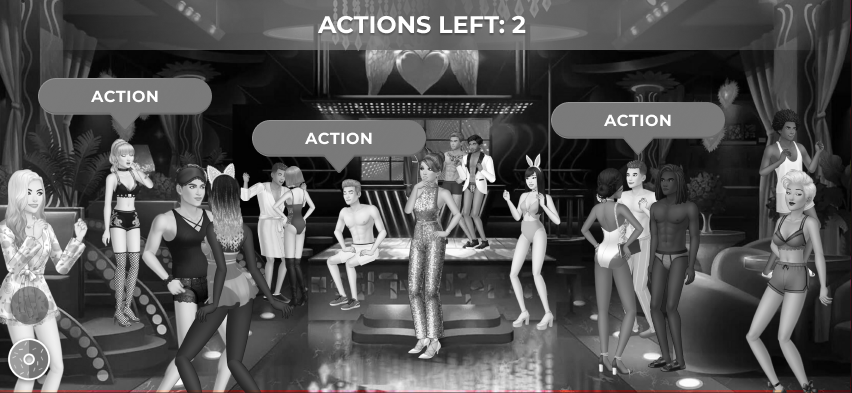
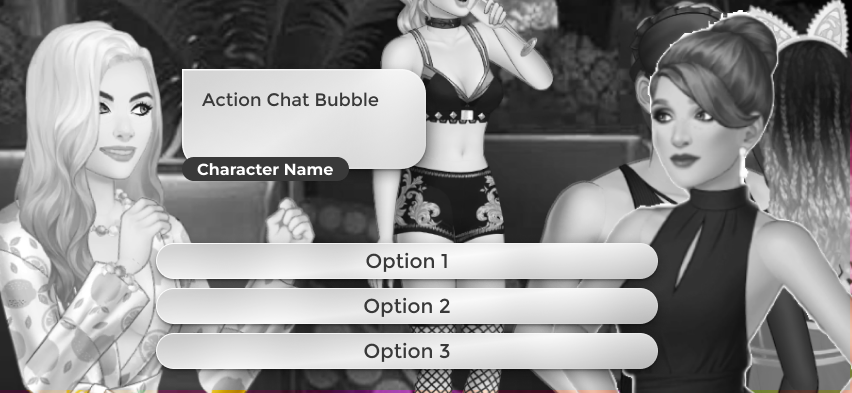
Story Choices UX/UI
Define the interactive action numbers and UI format.
Collecting Team Feedback
Make sure the design is aligned with the product strategy and feature scope.
User Testing
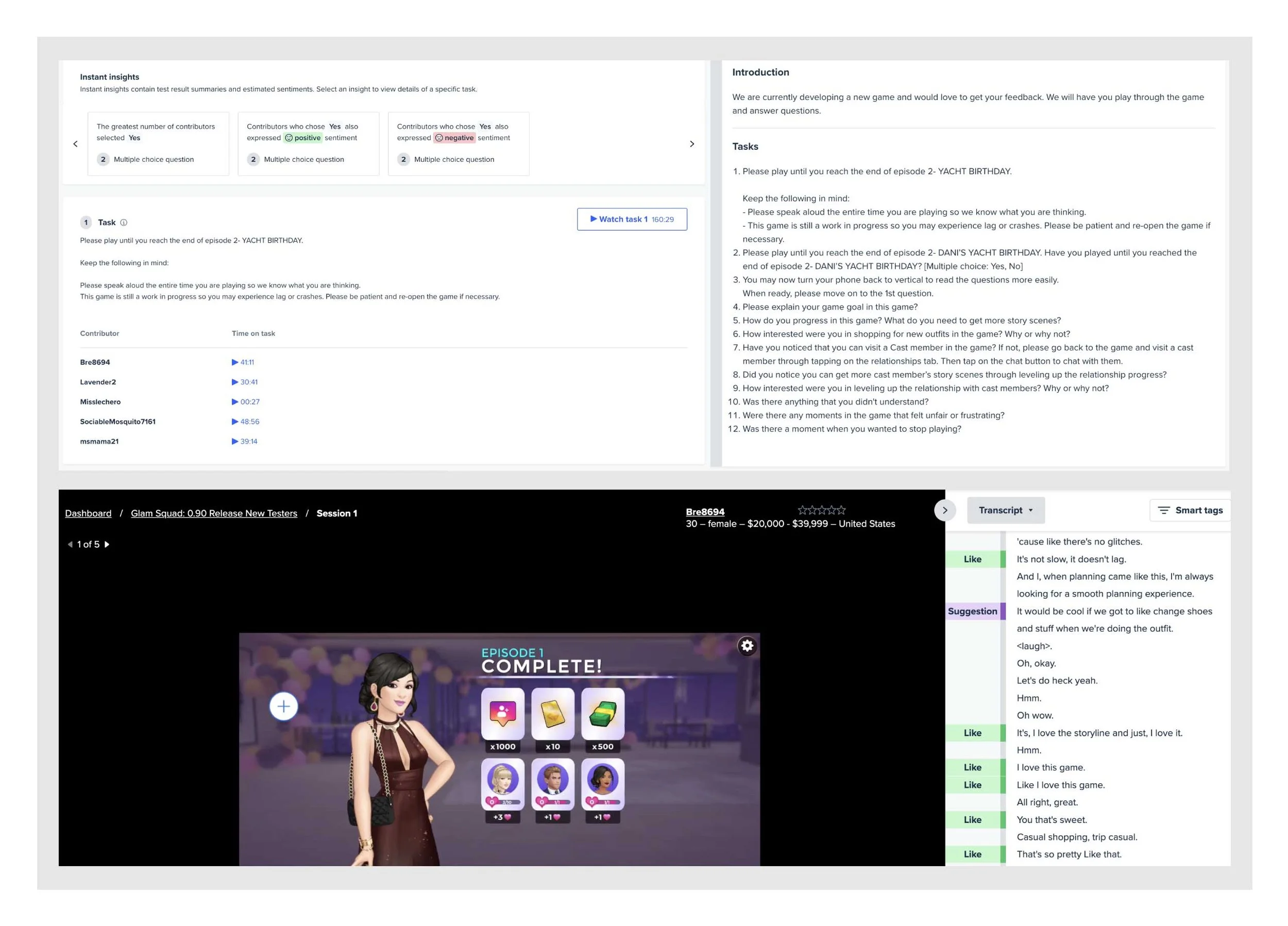
We allowed players to experience the game for the initial 20 minutes and observed their reactions.
I established non-leading yet specific questions on usertesting.com and observed players interacting with an early-stage prototype. I organized all the information into digestible and coherent elements to share the key findings with the team, ensuring alignment between the product goals and the game objectives.
Very engaging: 5/5 users said it is very engaging on the satisfaction question.
Interactive: 3/5 users use interactive this term to describe why they like this product.
Continue Playing: 3/5 users said they will go back to play this game after they finish the survey.
No collection: 5/5 players talk about the outfit choices more than the outfits they have.
Design Iterations
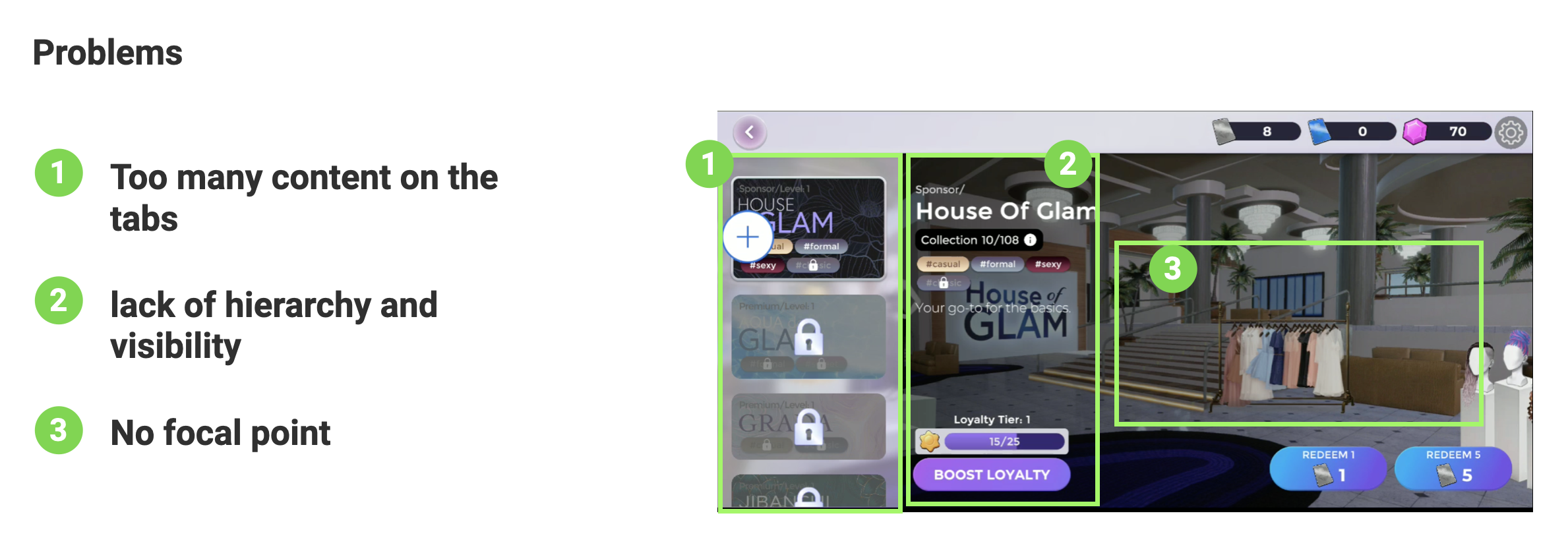
Review
Identify the problems based on the user testing feedback.
Screen Redesign
Simplify the content and improve the visual hieaarchy.
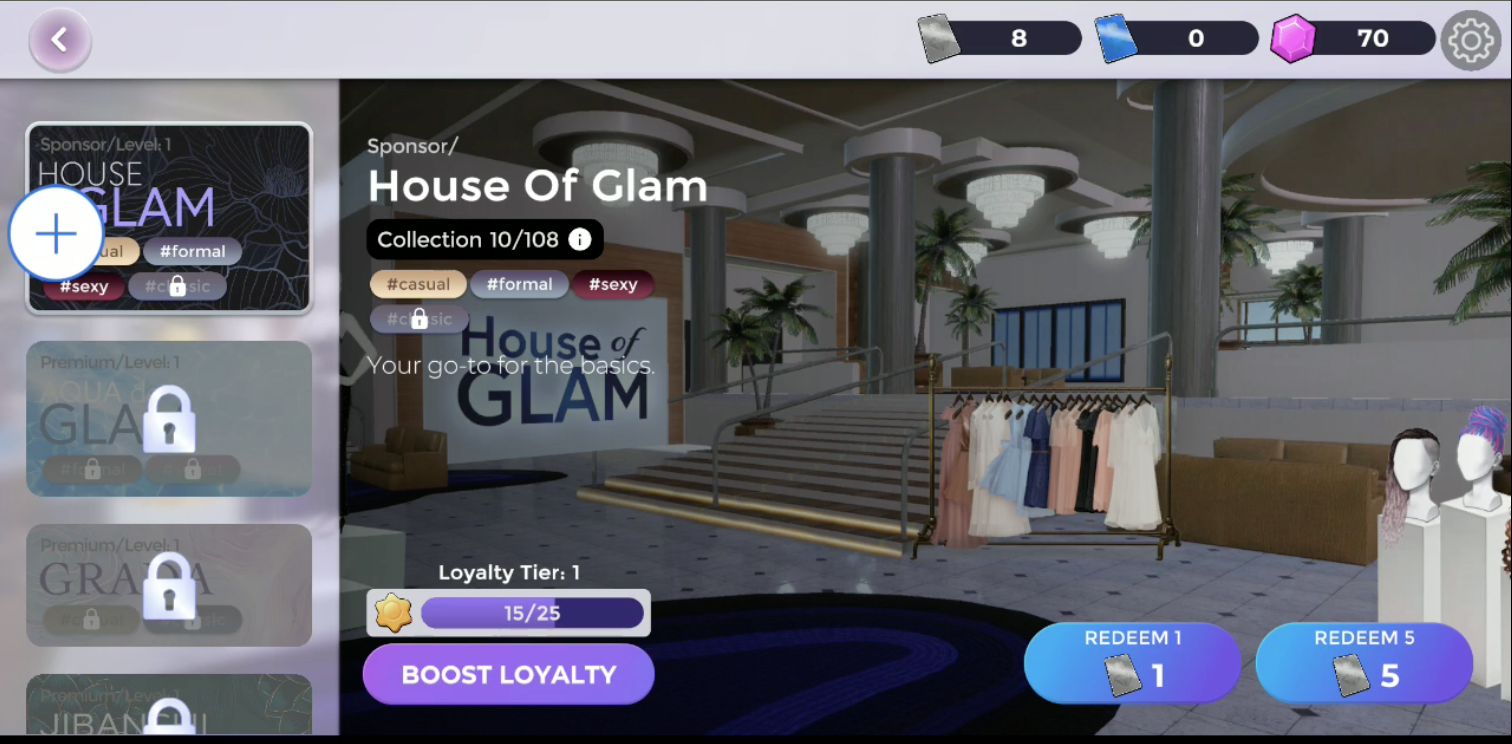
Before
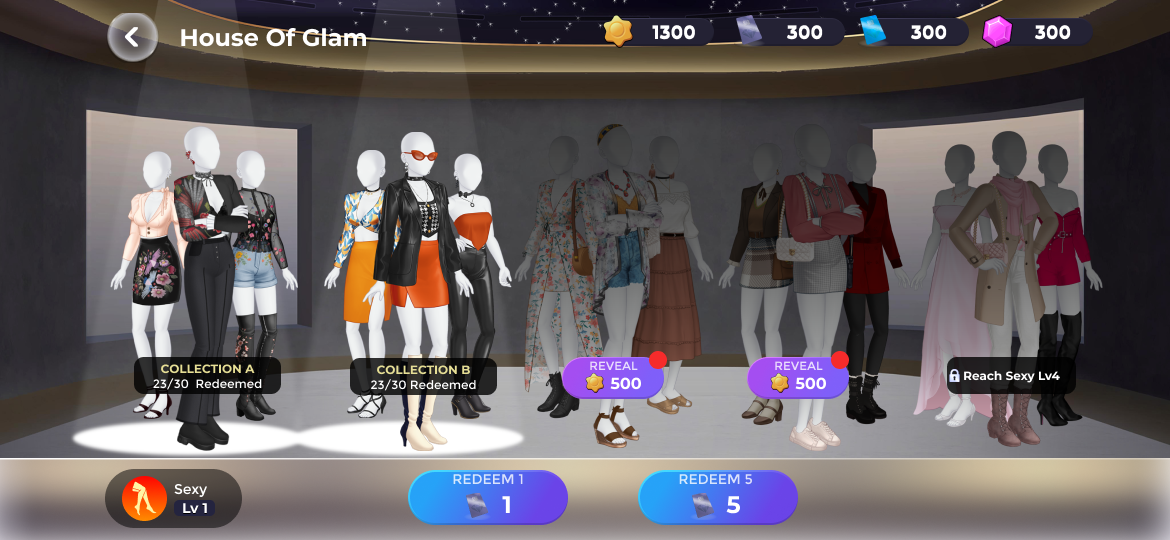
After
Navigation & flow Redesign
Improve the flow consistency and enhance the map feature experience.
Hi-Fi Design
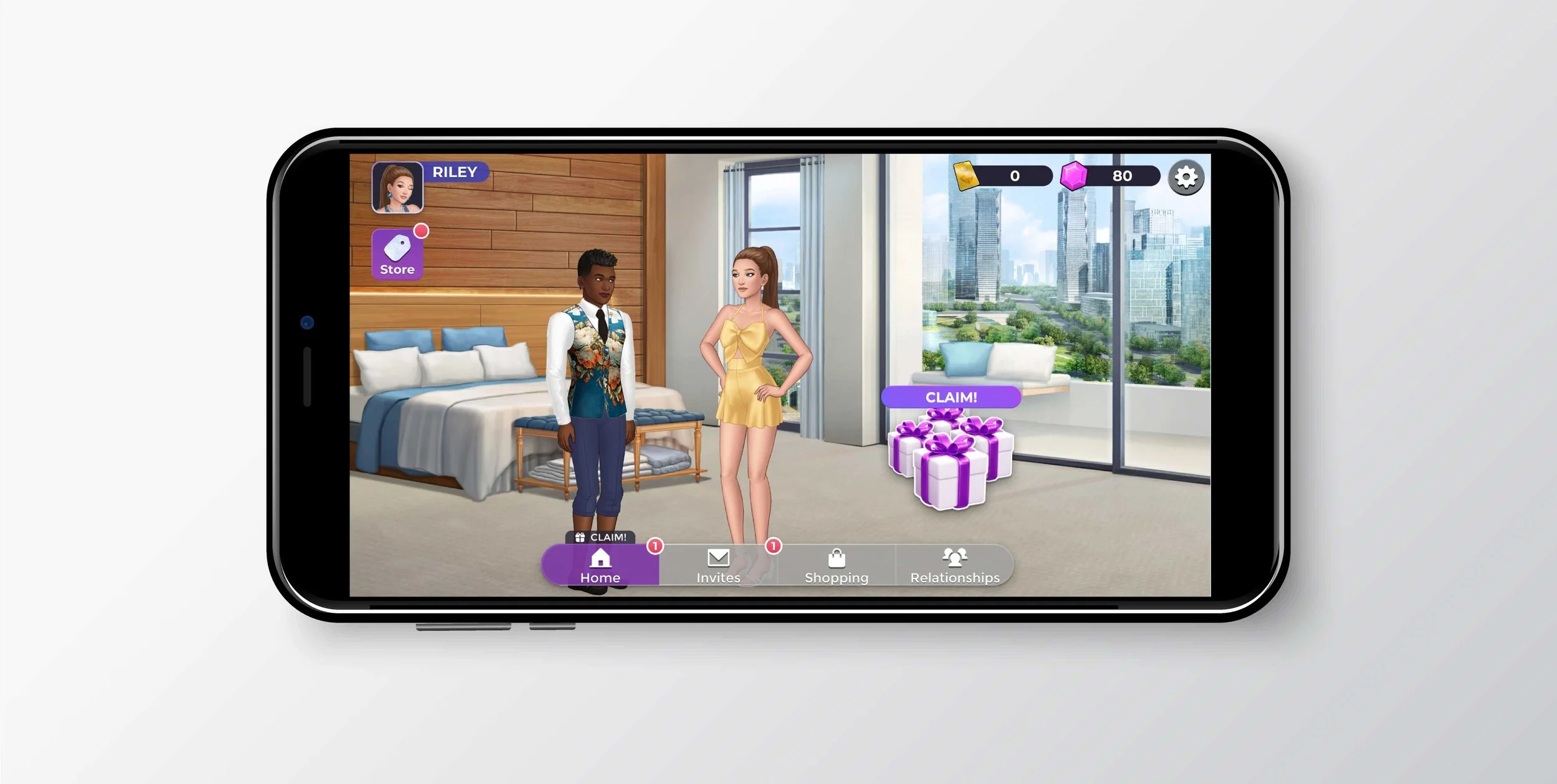
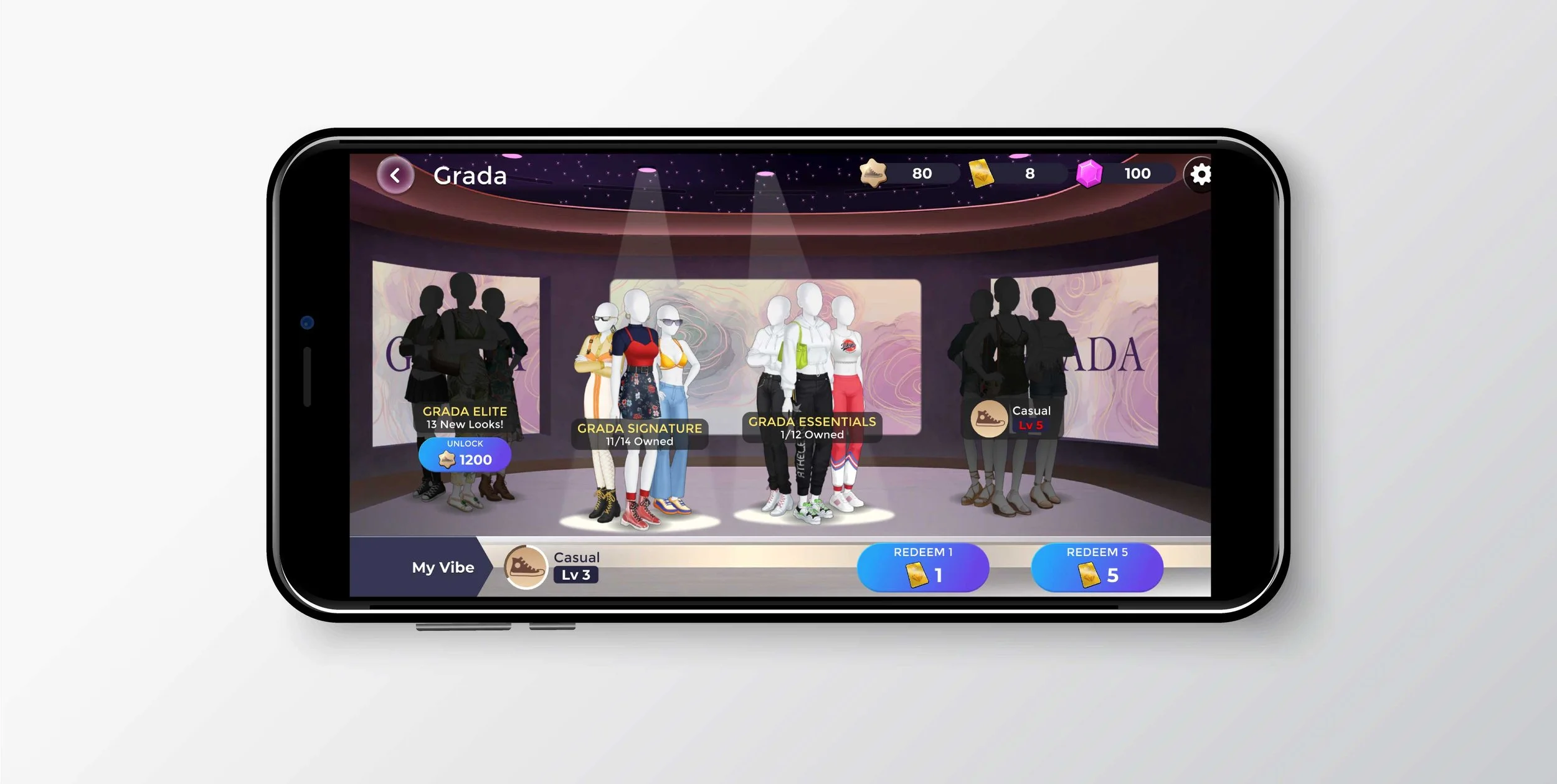
Result
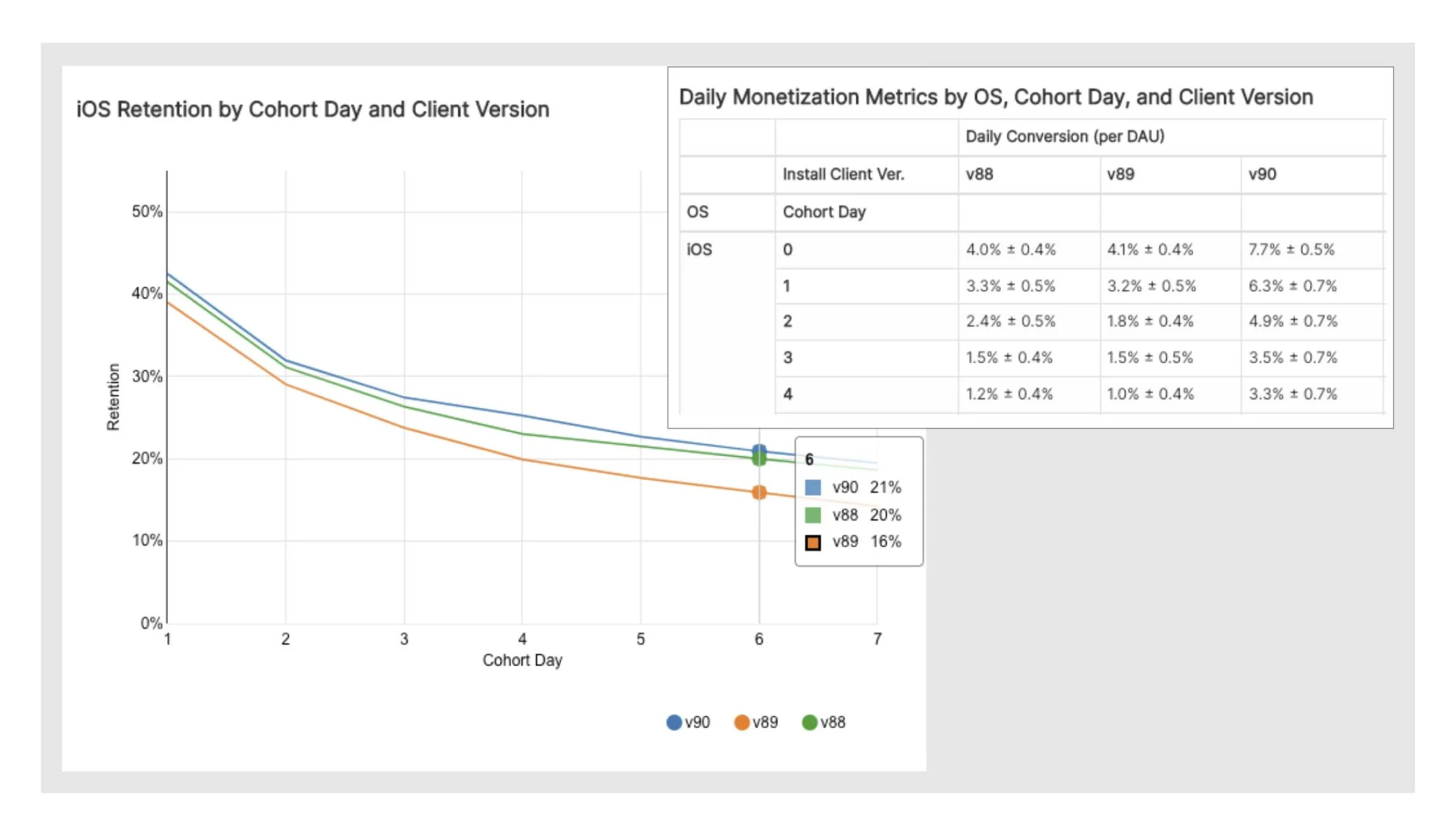
43% Day-1 Retention: Validated strong player engagement, while early conversion rate nearly doubled from 4.0% to 7.7%.
Top-Chart Performance: Drove peak rankings to #35 in US Free Apps and #79 Top Grossing.